
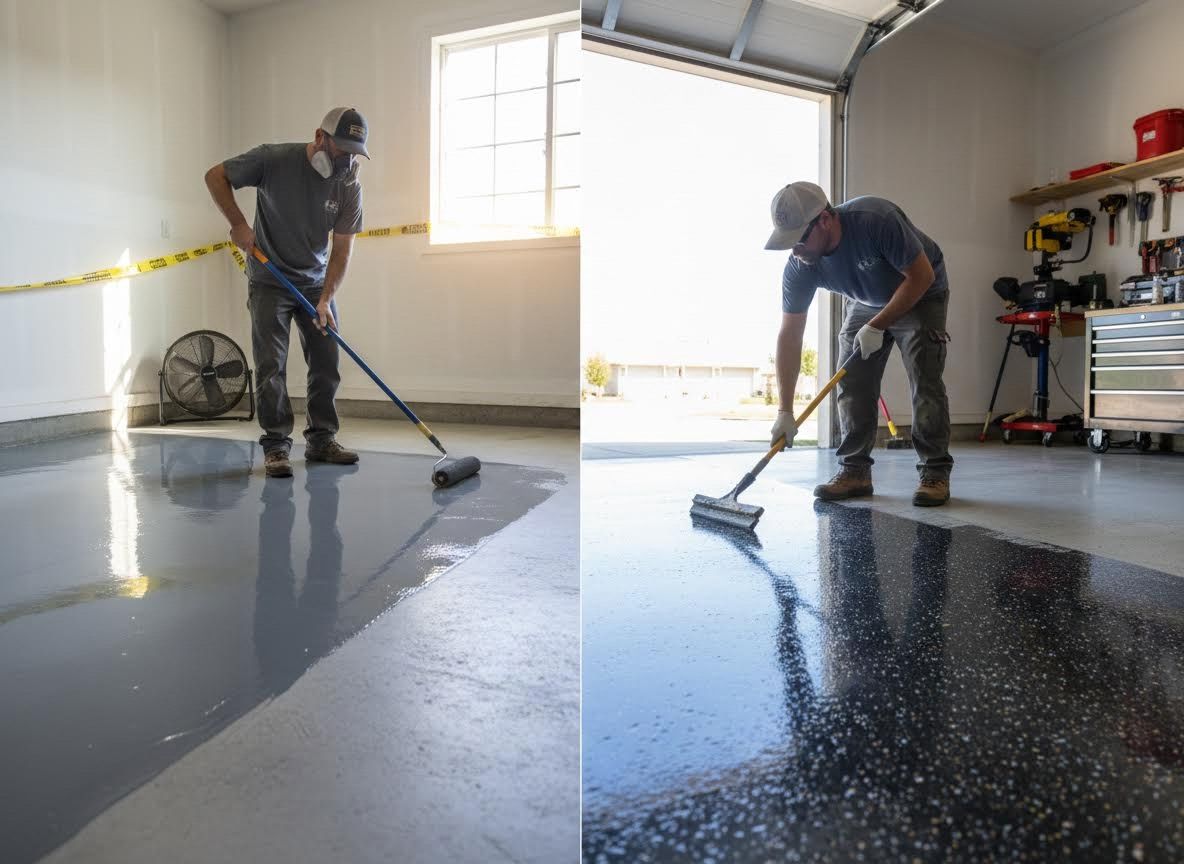
When considering durable and high-performance solutions for your concrete surfaces, two names often rise to the top: epoxy and polyaspartic coatings. Both offer exceptional protection and aesthetic appeal, transforming everything from residential garage floor spaces to bustling commercial environments. However, understanding their distinct characteristics is key to making an informed decision for your specific needs. At Diamond Tuff Epoxy, we are committed to helping you navigate these options to ensure your investment stands the test of time and climate.
The Enduring Strength of Epoxy Floor Coating
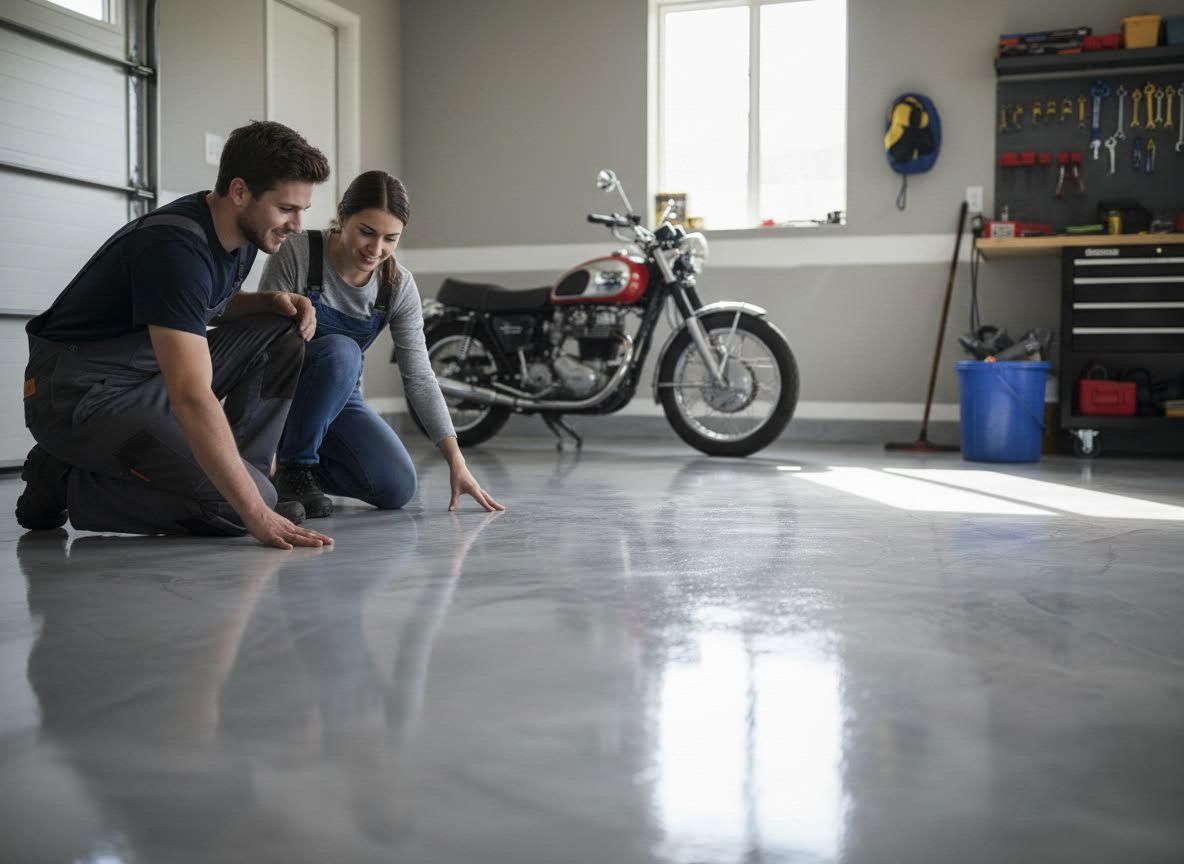
Epoxy flooring has long been a cornerstone in durable surfacing, revered for its robust nature and versatile applications. This system typically involves a two-part resin and hardener mixture that, once combined, creates a rigid plastic material. When applied to concrete, it forms a strong, impact-resistant layer that is highly durable against abrasions, chemicals, and heavy traffic. This makes epoxy an excellent choice for a variety of settings, including industrial warehouses, commercial kitchens, and especially for a resilient garage floor. Its ability to create a seamless, non-porous surface also contributes to its ease of cleaning and hygienic properties. While incredibly tough, traditional epoxy does require specific temperature conditions for optimal curing and can be sensitive to UV light, which may lead to yellowing over extended periods in direct sunlight.
The Modern Versatility of Polyaspartic Coatings
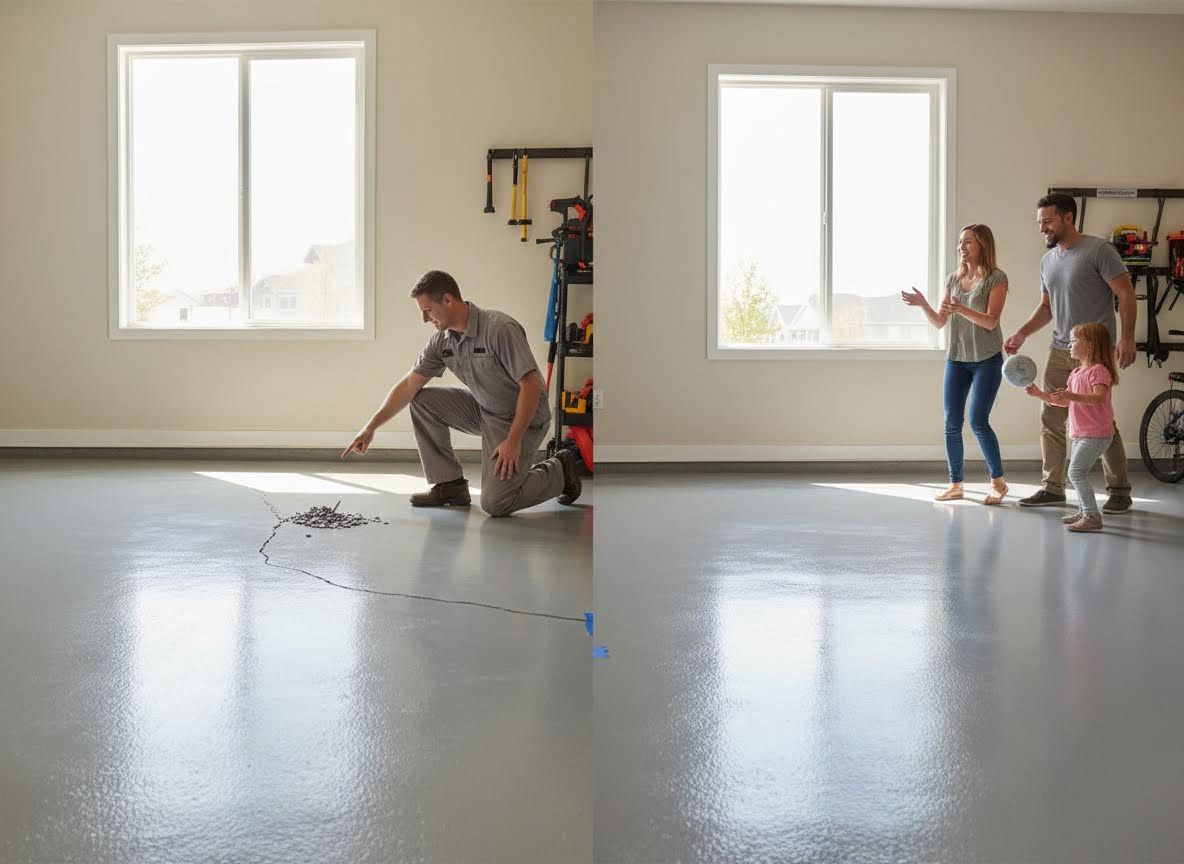
Polyaspartic coatings represent a newer, advanced technology in the realm of concrete protection, often viewed as an evolution of traditional systems. Developed in the late 1990s, polyaspartic was initially used for steel corrosion protection but quickly found its place in flooring due to its superior performance characteristics. A standout feature is its exceptionally fast cure time, often allowing for project completion and return to service within a single day. Unlike traditional epoxy, polyaspartic is highly flexible, offering greater resistance to impacts and temperature fluctuations without cracking or chipping. It also boasts excellent UV stability, meaning it will not yellow or degrade when exposed to sunlight, making it ideal for outdoor applications and spaces with ample natural light. Furthermore, polyaspartic can be applied in a wider range of temperatures, extending the application season and flexibility for project scheduling.
Key Differences and Performance Considerations
While both epoxy and polyaspartic coatings deliver exceptional durability, their differences often dictate which is the superior choice for a given project. The most significant distinction lies in cure time; polyaspartic can cure in hours, while epoxy often requires several days, impacting project timelines. UV stability is another critical factor: polyaspartic maintains its clarity and color when exposed to sunlight, whereas traditional epoxy can yellow over time. Flexibility is also greater with polyaspartic, offering better resistance to concrete movement and thermal expansion/contraction, crucial in climates with harsh freeze-thaw cycles. Lastly, the application temperature range for polyaspartic is much broader, allowing for installations in colder conditions where epoxy would struggle. These distinctions ultimately influence the long-term performance, maintenance, and aesthetic appeal of your treated surfaces.
Choosing between epoxy flooring and a polyaspartic coating depends heavily on your specific project requirements, environmental conditions, and desired timeline. Both offer superior protection and a transformed aesthetic compared to bare concrete, providing a highly durable and low-maintenance solution for your property. Whether you need a robust epoxy floor coating for an industrial setting or the rapid return-to-service and UV stability of polyaspartic for your garage floor, understanding these differences is paramount. For tailored advice on which advanced coating system is best suited for your residential or commercial space, we invite you to explore the detailed options available with Diamond Tuff Epoxy and consult with our experienced professionals.