
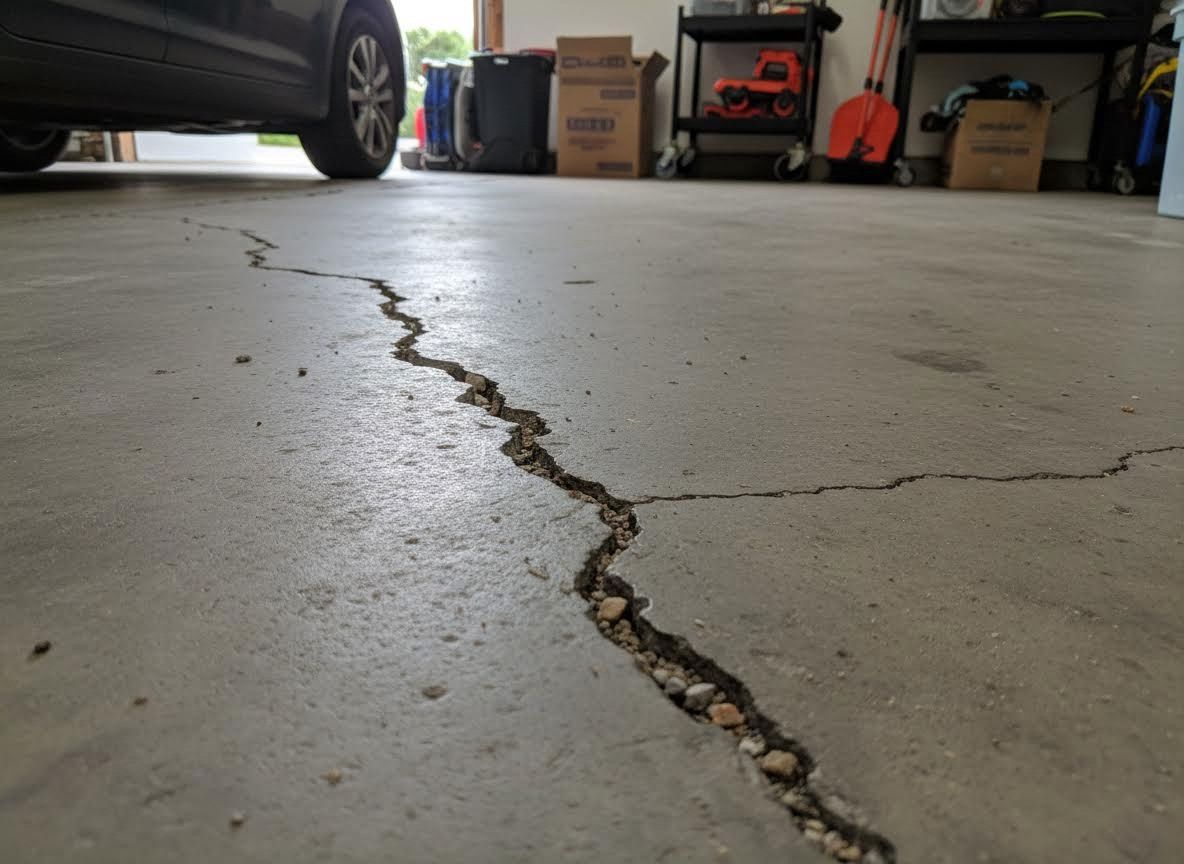
A cracked garage floor isn't just an aesthetic concern; it can indicate underlying structural issues and compromise the longevity of your property. Understanding the root causes of these cracks is the first step toward effective remediation and protection. At Diamond Tuff Epoxy, we recognize the challenges homeowners face with their concrete surfaces, especially when exposed to the demanding conditions of Massachusetts. This guide will delve into the most common reasons why garage floors develop cracks, providing valuable insights to help you maintain a resilient and functional space.
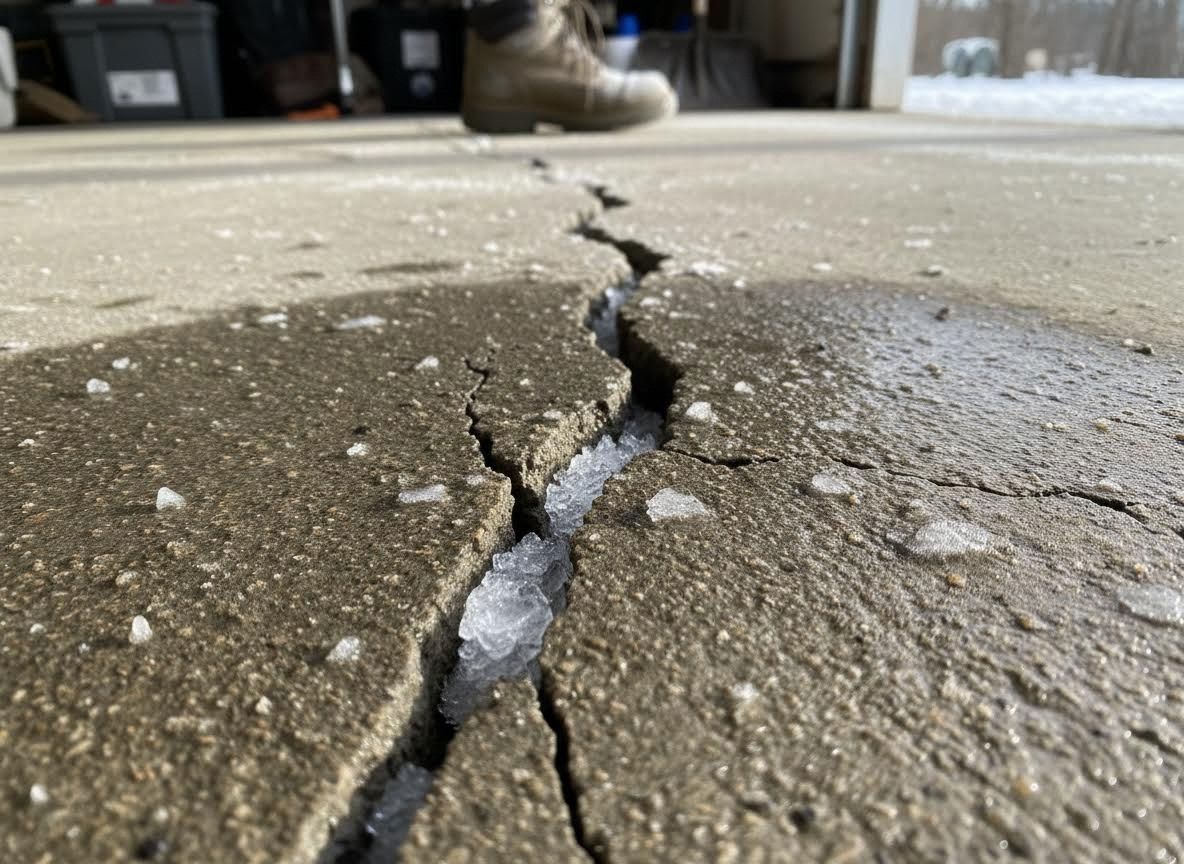
Environmental Factors: The Freeze-Thaw Challenge
One of the most prevalent causes of garage floor cracking, particularly in regions like New England, is the freeze-thaw cycle. When water penetrates minute pores or existing cracks in the concrete, it expands as it freezes and contracts as it thaws. This continuous expansion and contraction exert immense pressure from within the concrete slab, eventually leading to new cracks or widening existing ones. Moisture trapped beneath the slab can exacerbate this problem, causing the ground to shift and further stress the concrete. Implementing a durable garage floor sealer is crucial in mitigating water absorption and protecting against these harsh environmental assaults.
Structural Stress: Settlement and Heavy Loads
Over time, the ground beneath your garage floor can settle unevenly. Factors such as poorly compacted soil during construction, changes in soil moisture content, or even seismic activity can cause the foundation to shift. This differential settlement creates stress points in the rigid concrete slab, leading to cracks. Furthermore, garage floors are often subjected to significant static and dynamic loads. The constant weight of vehicles, heavy storage, and the impact from dropped tools or equipment can exceed the concrete's compressive strength. Without adequate thickness or reinforcement, these stresses accumulate, manifesting as cracks that compromise the integrity of the surface.
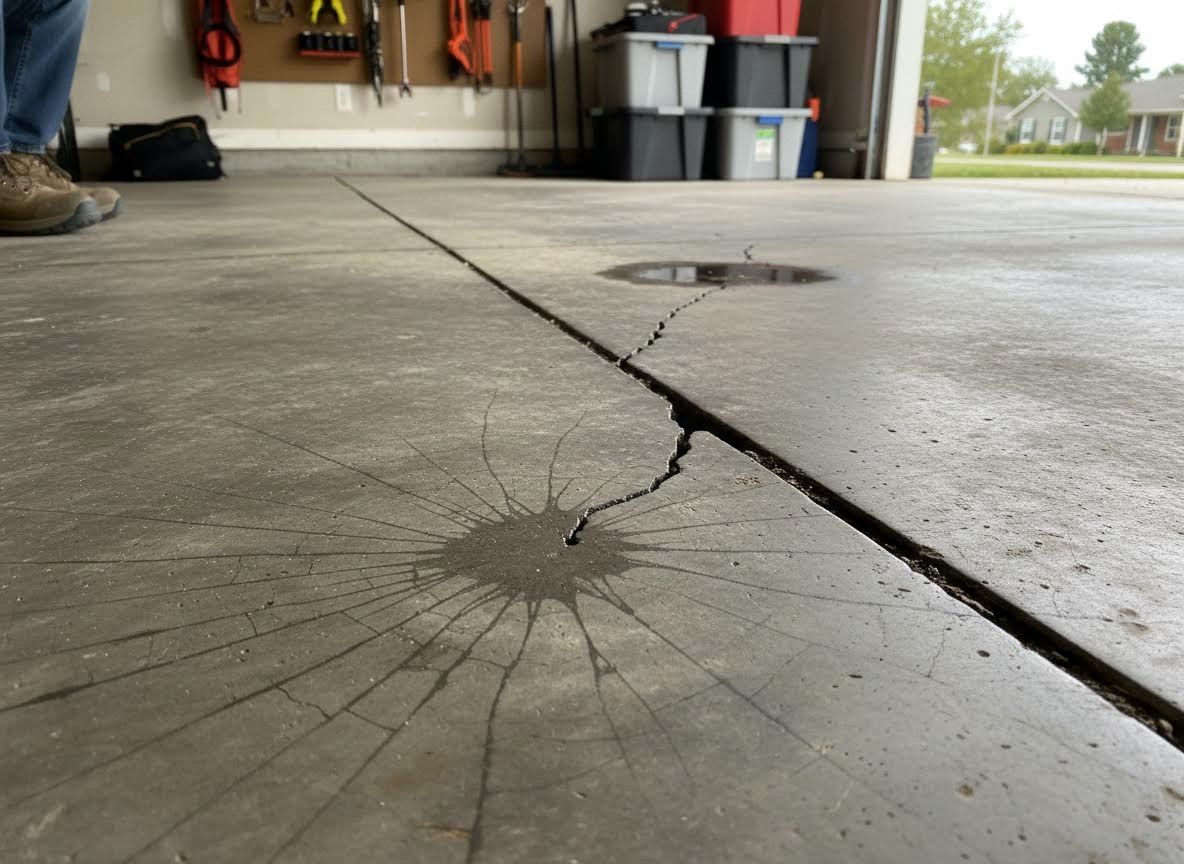
Installation and Material Quality
The initial quality of the concrete mix and the expertise of its installation play a critical role in its long-term durability. A concrete mix with an incorrect water-to-cement ratio, for instance, can lead to a weaker, more porous slab prone to shrinkage cracks. Inadequate curing – the process by which concrete gains strength through hydration – can also result in a brittle surface that cracks easily. Moreover, the absence or improper placement of expansion joints means the concrete has no room to expand and contract naturally with temperature changes, forcing it to crack under pressure. Choosing experienced epoxy floor contractors for any concrete work ensures that industry best practices are followed from the ground up.
While garage floor cracks can stem from a variety of factors, from environmental stressors like the freeze-thaw cycle to foundational shifts and initial construction quality, understanding these causes empowers homeowners to take proactive steps. Addressing these issues early can prevent minor cracks from becoming major structural concerns. For lasting protection and a beautiful, durable surface, consider professional solutions like a high-performance epoxy floor coating. Our team, comprised of dedicated epoxy floor contractors, offers robust garage floor coating and epoxy floor covering options designed to withstand the toughest conditions, ensuring your investment is built to last. Explore how an advanced garage floor sealer and coating system can transform your garage into a resilient, low-maintenance space by consulting with our experts.