
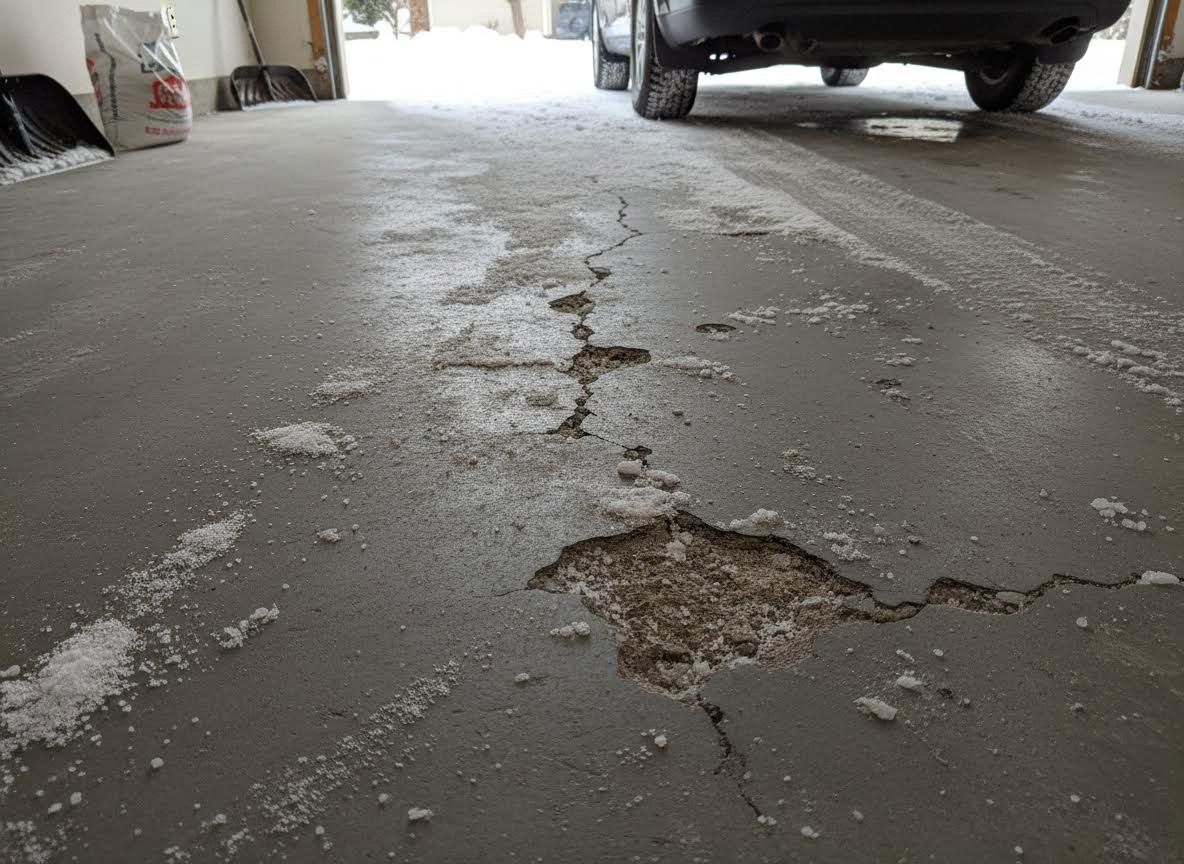
In regions like Massachusetts, where winter’s grip brings frequent ice and snow, road salt becomes a necessary evil, protecting motorists and pedestrians from hazardous conditions. However, what keeps our roads safe can silently wreak havoc on the unprotected concrete surfaces around our homes and businesses, particularly garage floors. Understanding this destructive process is crucial for property owners looking to preserve their investments. At Diamond Tuff Epoxy, we bring military precision and unwavering discipline to protecting these vital surfaces, ensuring they stand resilient against the elements.
The Chemical Attack: How Salt Breaks Down Concrete
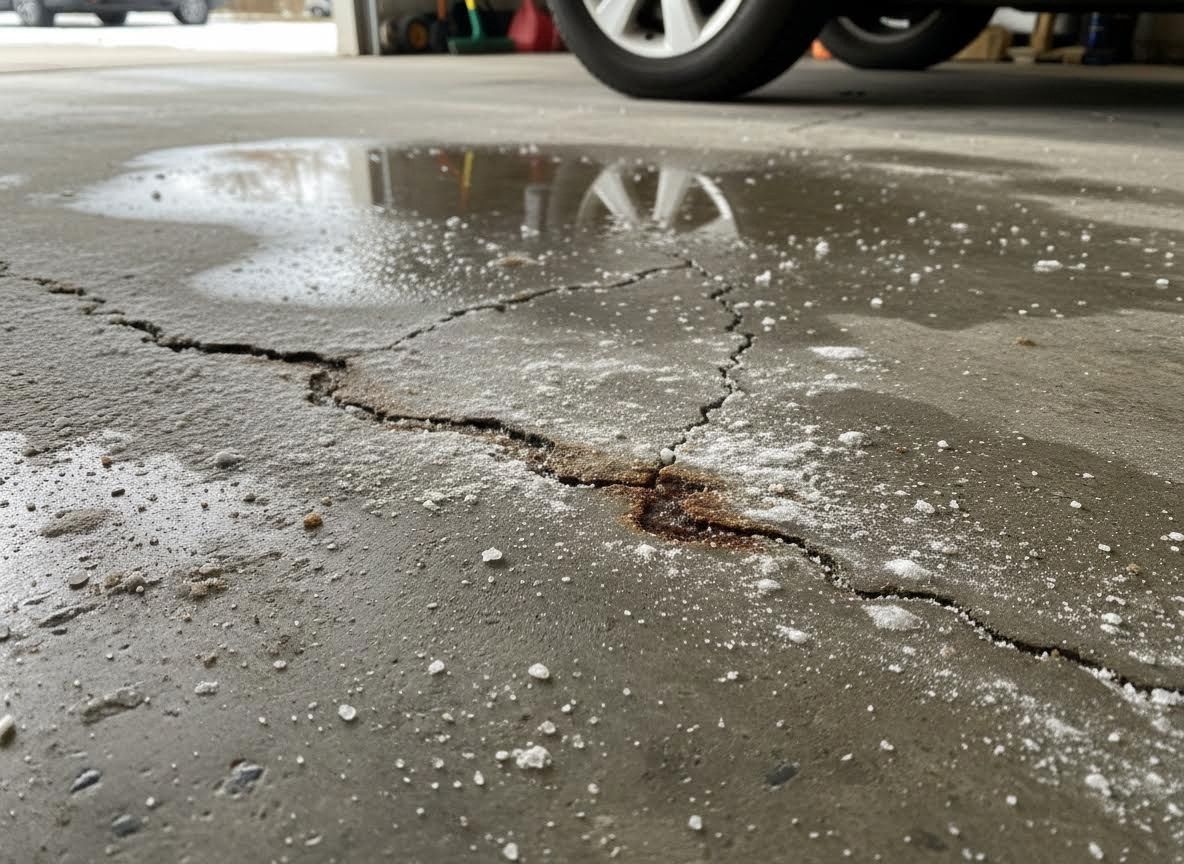
Road salt, primarily sodium chloride or calcium chloride, isn't just a physical abrasive; it's a chemical aggressor. When these salts dissolve in water and penetrate porous concrete, they initiate a chemical reaction. Chlorides can break down the paste that binds concrete together, weakening its internal structure over time. This leads to a process known as efflorescence, where white, powdery salt deposits appear on the surface as moisture evaporates. More critically, these chemicals can also accelerate the corrosion of steel rebar within the concrete, leading to structural damage from the inside out and compromising the integrity of the slab.
The Freeze-Thaw Cycle Accelerator
Beyond chemical degradation, road salt significantly exacerbates the physical damage caused by New England's notorious freeze-thaw cycles. When water seeps into concrete, it expands by approximately 9% when it freezes, creating immense pressure within the concrete's pores. Road salt lowers the freezing point of water, causing repeated thawing and refreezing cycles even within a single day. This constant expansion and contraction rapidly deteriorates the concrete, leading to spalling (surface flaking), pitting, and ultimately, extensive cracking. An unprotected garage floor, constantly exposed to salt-laden slush, becomes particularly vulnerable to this relentless assault.
Aesthetic Decay and Safety Hazards
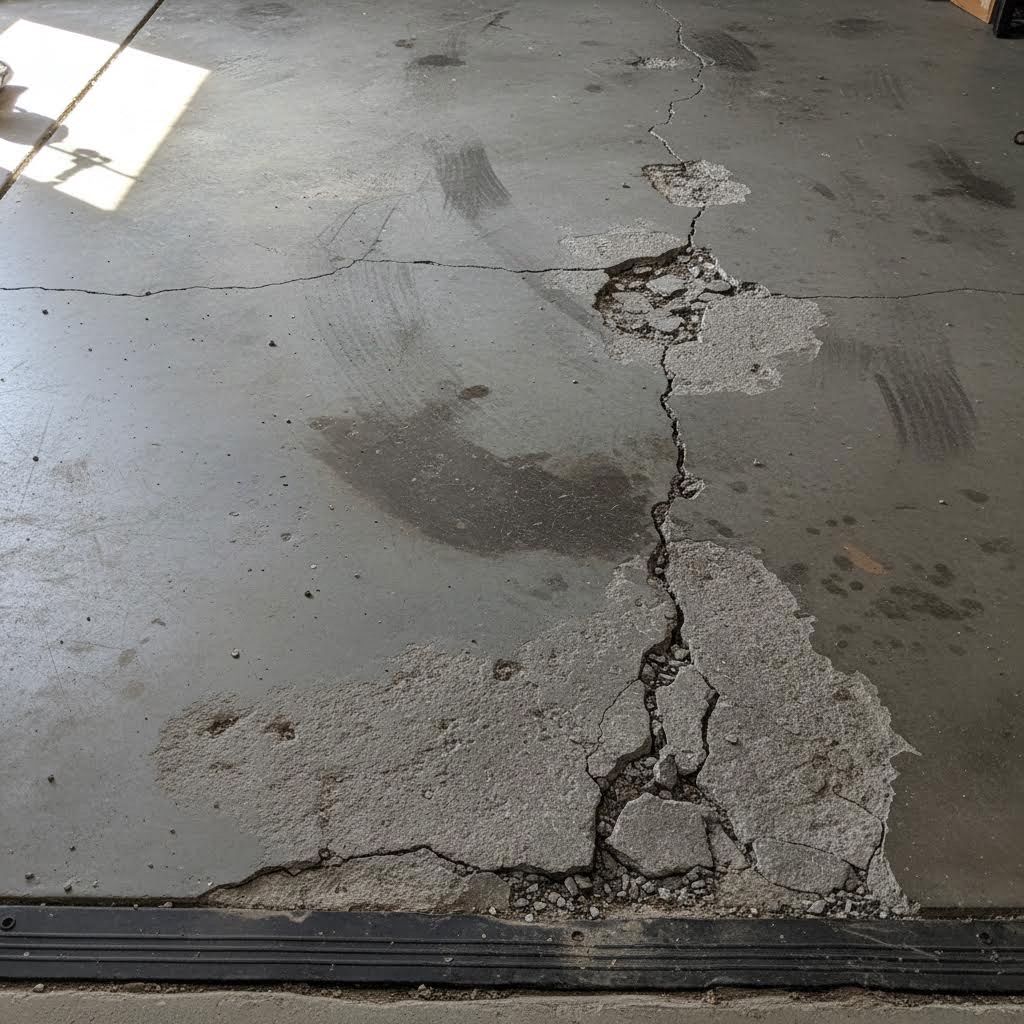
The impact of road salt extends beyond structural damage, severely affecting both the appearance and safety of your concrete floors. Discoloration, stains, and the chalky residue of efflorescence are common tell-tale signs of salt damage, diminishing the visual appeal of your property. More concerning are the safety implications. As concrete breaks down, it becomes uneven, creating trip hazards. The constant presence of salt can also make floors perpetually damp and slippery, increasing the risk of falls. For homeowners, protecting concrete with a robust epoxy floor coating or garage floor coating is not just about aesthetics; it's about maintaining a safe and durable environment.
Proactive Protection for Lasting Durability
The good news is that this destructive process is preventable. Relying solely on a basic garage floor sealer often isn't enough to withstand the severe conditions imposed by road salt and New England weather. True protection requires a more robust solution, installed with meticulous surface preparation. This is where experienced epoxy floor contractors excel, providing professional-grade solutions that shield your concrete from chemical attacks and freeze-thaw cycles. Investing in a durable epoxy floor covering now can save significant repair costs and headaches down the road.
Protecting your concrete floors from the ravages of road salt is an essential step in maintaining the value and safety of your property, especially in climates prone to harsh winters. By understanding how salt chemically breaks down concrete and accelerates freeze-thaw damage, homeowners can make informed decisions. A professional epoxy floor coating provides an impermeable barrier, delivering a safe, seamless, and low-maintenance surface that is built to last. To explore the best long-term protective solutions for your concrete, connect with Diamond Tuff Epoxy and discover how our expertise can safeguard your investment.